São Miguel Packing List: What to Bring, Whatever the Weather
What should I pack for São Miguel?
Pack for four seasons in one day: a waterproof shell, layers, sturdy closed shoes, and swimwear you don't mind staining in the iron-rich Terra Nostra pool. Azorean winters are mild and green, around 14-17°C, but wet and windy rather than snowy, so there is no need for ski or mountaineering gear anywhere on the island.
Packing for Four Seasons in One Day
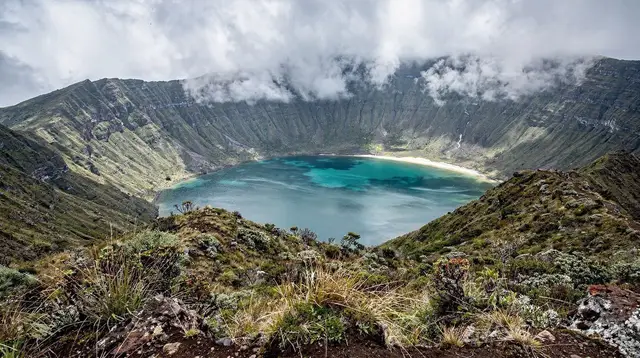
The single fact that should shape every bag you pack for São Miguel is that the weather does not settle into a forecast. It can be raining over the caldera at Furnas while Ponta Delgada sits under sun twenty minutes away, and a clear morning at Sete Cidades can turn to fog and drizzle by the time you reach the viewpoint.
See why the weather changes so fast, hour by hour and side by side for the geography behind it. This guide is about what to have in your bag so none of that matters, not about when to book the trip — for that, see when to visit São Miguel — and not about which trails to walk, which is covered separately in the comparison of São Miguel’s best hikes.
The Core Layering System
Build around three layers rather than a suitcase of single-purpose items: a moisture-wicking base layer, an insulating mid layer such as a fleece or light merino jumper, and a genuinely waterproof outer shell. This combination covers a sunny Terra Nostra morning, a windy walk along the Nordeste coast, and a damp evening in Ponta Delgada with the same few items, added or shed as the sky changes.
- Base layer: two or three quick-dry t-shirts or thin merino tops. Cotton stays wet once it’s wet, which matters on an island where a shower can catch you between a car park and a viewpoint.
- Mid layer: a fleece or light packable insulated jacket. Evenings by the coast are cooler than the daytime temperature suggests, even in July.
- Outer shell: a proper waterproof jacket with a hood, not a fashion raincoat. This is the one item worth spending on. An umbrella is close to useless on the exposed roads above Lagoa do Fogo or the cliffs near Ponta do Sossego, where the wind is constant and often strong.
- Trousers: one pair of quick-dry trousers, plus jeans or casual wear for towns. Avoid anything heavy that stays damp once soaked.
Waterproofs Are Not Optional
Pack the rain jacket even if the forecast for your travel week looks dry, and even in August. Rain on São Miguel rarely lasts all day, but it arrives with little warning, and it is the single most common reason first-time visitors end up cold and uncomfortable on an otherwise mild island. A packable poncho for bags and cameras is a smart add-on for anyone planning a coastal walk such as the Ribeira dos Caldeirões trail near Nordeste or a jeep circuit that gets you further from the car than an umbrella-length dash.
If your plans include a route like the West Tour, which takes in the caldera and coastal viewpoints on the island’s western side, treat the shell jacket as part of the booking, not an afterthought packed at the last minute.
a guided day covering Sete Cidades and the western coastline runs rain or shine, and a proper waterproof is what keeps that kind of day enjoyable rather than endured.
Footwear: Closed, Grippy, and a Spare Pair
One pair of trainers or light hiking shoes with real grip covers the great majority of a São Miguel itinerary — caldera rims, lava-flow paths, wet cobbles in Ponta Delgada’s old town, and the boardwalks around the Terra Nostra garden. Volcanic rock and packed earth trails hold water and turn slick faster than they look, so a shoe with tread matters more here than in most European city breaks.
- Everyday shoes: closed, waterproof-ish trainers or light walkers.
- Sandals or flip-flops: for thermal pools and hotel use, since wet changing areas are standard at every soaking spot on the island.
- A second pair: useful insurance. Shoes soaked on a Furnas morning rarely dry out by evening in a humid Azorean climate, and a spare pair means day two doesn’t start in wet socks.
If a hike up to the Lagoa do Fogo crater rim is on your list, bring proper hiking shoes rather than trainers: the reserve has no facilities of any kind, the path is exposed, and the weather at that altitude turns faster than at sea level.
a guided hike to the crater lake is a good way to do that stretch with someone who reads the cloud cover for you, since the access road is sometimes closed and the summit is often inside fog even when Ponta Delgada is clear.
Swimwear: Bring One You Don’t Mind Staining
This is the detail that catches almost every first-time visitor. Several of the island’s best-known thermal pools, above all the pool inside Terra Nostra Park, are naturally iron-rich, running around 35-40°C and coloured a cloudy orange-brown. That mineral content stains light-coloured swimwear permanently on contact — not a light discolouration that fades in the wash, but a mark that stays. Full details are in the guide to what to pack and why to avoid your good swimwear in the iron-rich water and the dedicated Terra Nostra pool guide.
The fix is simple: bring an old, dark-coloured swimsuit specifically for the thermal pools, and keep a second, better one for the sea and for hotel pools. Pack a plastic bag for the wet, stained suit afterwards — hotels do not appreciate it in the shared laundry bag with everything else. The same advice applies at Poça da Dona Beija and the other mineral-rich soaking spots dotted around Furnas; see the comparison of São Miguel’s thermal pools for which ones stain and which don’t.
A microfibre travel towel is worth the small bag space too — most thermal sites either charge for towels or don’t offer them at all.
Winter Is Mild, Not Alpine — Don’t Overpack Cold-Weather Gear
The Azorean winter, roughly November through March, is genuinely the trap in this packing list, because visitors arrive prepared for the wrong kind of cold. Daytime temperatures sit around 14-17°C, the island stays visibly green year-round, and nothing on São Miguel closes for snow because it never snows here — not even at the summit of Pico da Vara at 1,103 m, the island’s highest point. What winter actually brings is rain, wind, and shorter days. Read the full picture in the guide to São Miguel in winter.
That means: leave the ski jacket, insulated snow boots, thermal base layers built for sub-zero temperatures, and gloves rated for mountaineering at home. They add bulk and weight for a cold that never arrives. What you actually need for a winter trip is the same core layering system as any other season, just used more consistently — the waterproof shell goes on more often, and a warm hat and light gloves are sensible for wind on exposed viewpoints, but nothing more technical than that.
Sun, Wind, and the In-Between Weather
Even outside the rainiest months, São Miguel’s weather sits between extremes rather than at either end of the scale, and the kit that handles both mild sun and sudden wind earns its space in the bag.
| Item | Why it matters here |
|---|---|
| Sunglasses | Glare off the ocean and caldera lakes is strong even under partial cloud |
| Sunscreen | UV is stronger at altitude and near water than the air temperature suggests |
| A light scarf or buff | Doubles as wind protection on exposed viewpoints and coastal boat trips |
| A warm hat | Useful at Lagoa do Fogo and on caldera rims, even in summer evenings |
| A dry bag or waterproof phone pouch | For boat trips, coasteering, and any walk near spray |
If a boat trip is part of your plans, whether for whale watching or the coastline around the south, pack the dry bag before you pack the camera. Spray off the Atlantic reaches further into a small boat than most visitors expect, and salt water is unforgiving on electronics.
For Anyone Booking Active Days
A few of the island’s most-booked activities call for their own small additions to the list, worth checking before you leave home rather than working out on the day.
- Thermal-park half days in Furnas: the old swimsuit above, sandals, and a towel. A morning built around the caldeiras and the cozido tradition pairs well with an afternoon soak — see a half-day covering the Furnas caldera and its thermal pools for a guided version of that combination.
- Coasteering: swimwear worn under normal clothes, a towel, and closed shoes you don’t mind getting wet and salty, since wetsuits and helmets are provided but your own kit underneath is not. a coasteering session along the volcanic coastline covers what’s supplied versus what to bring yourself.
- Surfing: swimwear and a towel; wetsuits are almost always included given the Atlantic’s 17-24°C range across the year, covered in the surf season and water temperature guide.
- Jeep and hiking days: closed shoes, the waterproof shell, and a refillable water bottle — most jeep tours and the Lagoa do Fogo hike involve real walking sections, not just viewpoint stops.
For anyone planning a canyoning day specifically, the kit list is different enough to need its own page: see what to pack for canyoning on São Miguel.
Practical Extras Worth the Bag Space
- A refillable water bottle: tap water is drinkable island-wide, so there’s no need to buy bottled water at every stop.
- A universal or European power adapter: sockets are type C/F, 230V, the same as mainland Portugal.
- A basic first-aid kit: plasters and blister treatment matter more than most trip kits assume, given how much walking a São Miguel itinerary tends to involve.
- A printed or downloaded copy of key bookings: signal is patchy in the caldera at Furnas and on stretches of the Nordeste coast road.
- Cash in small denominations: useful for small village cafés and market stalls at Mercado da Graça, though cards are widely accepted in Ponta Delgada.
- A soft daypack: for carrying layers as they come off through the day, which on São Miguel is often more than once.
If your plans stretch beyond a couple of days, the full itinerary planning guide and the general trip budget guide are useful companions to this list once the bag itself is sorted.
What to Leave at Home
- Ski jackets, insulated snow boots, or anything built for sub-zero mountain cold — the island never sees snow, even in the wettest, windiest weeks of winter.
- A full suitcase of formalwear — São Miguel’s towns and restaurants, cozido lunches included, are relaxed rather than dressy.
- An umbrella as your main rain defence — the island’s wind turns them inside out at exactly the moments you need them most.
- Your best swimwear for the thermal pools — save that for the sea or the hotel pool instead.
São Miguel Packing List: Common Questions
Do I need a rain jacket on São Miguel?
Yes, and it matters more than almost anything else on this list. A packable waterproof shell with a hood is more useful here than an umbrella, which the island’s wind will turn inside out on a viewpoint or a caldera rim within minutes.
Should I bring snow or ski gear?
No. The island’s high point, Pico da Vara, reaches 1,103 m and never sees snow. Even in the wettest, windiest weeks of winter, daytime temperatures sit around 14-17°C, so warm layers and a waterproof shell cover every situation, not insulated mountain wear.
What swimwear should I bring for the thermal pools?
Bring a swimsuit you don’t mind losing to a permanent orange-brown stain, ideally an old one. The iron-rich water at Terra Nostra Park and several other thermal pools discolours light fabrics on contact and the stain does not wash out.
What shoes should I pack for São Miguel?
A pair of closed, grippy shoes that can get wet, plus sandals for the thermal pools. Volcanic rock and caldera trails are uneven and often damp, and lava-flow paths near the coast can be slick even when the forecast looks dry.
Is São Miguel cold in winter?
Mild rather than cold. Daytime temperatures run about 14-17°C from November to March, the island stays green, and nothing closes for snow. The season is wet and windy, which changes the packing list more than the thermometer does.
Do I need a power adapter for the Azores?
Yes, if you’re arriving from outside continental Europe. Sockets are the two-round-pin type C/F standard, 230V, the same as mainland Portugal, so a European adapter and any device rated for 230V will work without a converter.
Planning on GetYourGuide
Verified deep-linked GetYourGuide tours. Book through these links and we earn a small commission at no cost to you.
GetYourGuide does not provide a product photo for this activity — the image shows the meeting point, photographed by us.