What Locals Actually Eat on São Miguel
Beyond the Hole in the Ground at Furnas
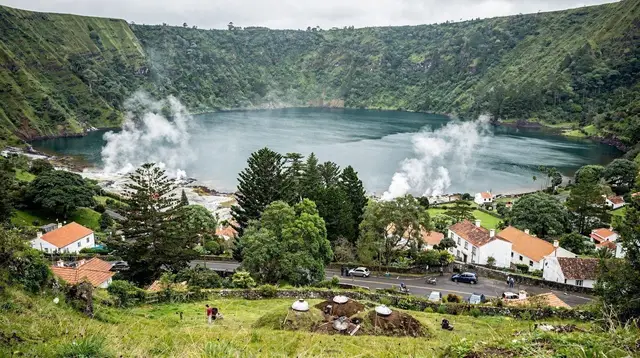
Every visitor to São Miguel hears about cozido das Furnas sooner or later — the stew that cooks for hours in a hole in the hot volcanic ground by the Lagoa das Furnas. It’s a genuinely good story, and I’d never talk anyone out of doing it. But after a few weeks on the island, I noticed something: none of the people I actually met were eating cozido that week.
It’s booked in advance, cooked over five to seven hours with no fire at all, and served at a handful of restaurants that take your order the day before. It’s an event, not a Tuesday lunch. What people were actually eating, in front of me, at bakery counters and in kitchens, was something quieter, and I think it says more about the island than the famous underground stew does.
Bolo Lêvedo Is the Real Everyday Bread
If there’s one food that follows you around São Miguel, it’s bolo lêvedo. It’s a round, slightly sweet bread, softer than a bread roll, cooked on a flat griddle instead of in an oven, so it never gets a hard crust — just a pale, slightly toasted surface on both sides. I first had one split and buttered at a bakery counter in Ponta Delgada before eight in the morning, standing up, next to someone clearly on their way to work who ordered the same thing without looking at a menu.
Later in the trip I had one filled with local cheese as a quick lunch near Ribeira Grande, and another, sweeter version at a café that served it almost like a dessert with butter and honey. It shows up everywhere: supermarkets, petrol-station cafés, wedding buffets, breakfast tables. If I had to pick one dish that tells you what São Miguel eats on an ordinary day, it’s this one, and it has nothing to do with a caldeira or a tourist itinerary at all — you can find it in the Mercado da Graça in Ponta Delgada as easily as anywhere else.
Queijadas Belong to Vila Franca do Campo
The other food I kept running into had a clearer sense of place attached to it. Queijadas — small custard tarts with a firm, slightly caramelised top — are strongly associated with Vila Franca do Campo, the town on the south coast that was São Miguel’s original capital until a landslide buried it in 1522. I bought a box on a stop in Vila Franca on the way back from the Ilhéu de Vila Franca, mostly out of curiosity, and ended up finishing half of them before Lagoa.
They’re not a rare delicacy kept for festivals; they’re an everyday sweet that happens to carry the name of the town that makes them, the way a particular bakery style ends up tied to one place almost by accident. If you’re building out a south coast day, it’s worth treating the queijadas as part of the stop, not an afterthought bought at the last minute. You’ll find the same story repeated, in smaller form, with the Azorean baking traditions around bolo lêvedo and queijadas more broadly.
Lapas, the Seafood Nobody Puts on a Postcard
Cozido gets photographed constantly; lapas almost never do, and that’s part of why I think they matter here. Lapas are limpets, picked directly off the volcanic rocks along the coastline, then grilled fast with garlic, butter, and a squeeze of lemon, usually served as a starter rather than a main. I had them at a small place on the coast near Caloura, and again further along the north coast near Capelas, where fishing has shaped the town for generations.
They taste like the rock they came off — briny, slightly chewy, nothing like the shellfish you’d get on the mainland. Lapas won’t turn up on a set-menu tourist plate the way cozido does; you have to look for them, usually at places that also serve whatever else the boats brought in that morning. For more on this side of the island’s food, the guide to lapas and Azorean seafood goes further than I can here.
Pineapple Grows Under Glass, Not in a Field
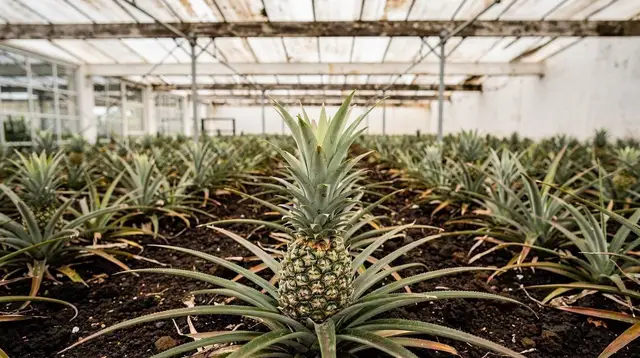
There’s a fourth ingredient I kept seeing on menus that surprised me the first time I understood where it actually came from: pineapple. It shows up in jams, in cakes, on cheese boards, even in a liqueur. What’s easy to miss is that São Miguel’s pineapples aren’t grown in open fields at all — they’re raised in long, low greenhouses, mostly around Fajã de Baixo on the edge of Ponta Delgada, because the island’s cloudy, cool climate can’t ripen them outdoors. A single fruit takes roughly two years to grow this way, which is a strange thing to think about the next time a slice turns up next to a wedge of local cheese.
It’s not tied to Furnas or to any one caldera; it’s tied to a very specific patch of greenhouse land near the capital, and it’s worth seeing in person if you’re curious how it actually works — the pineapple greenhouses at Fajã de Baixo are open to visit. Between the tea plantations further north and this pineapple growing further south, the island’s two signature crops sit at opposite ends of the same story.
Where This Fits If You’re Only Booking One Meal
None of this is an argument against cozido — I’d still tell anyone spending a day in Furnas to book it, ideally as part of a wider stop that also takes in the Terra Nostra garden and the steaming ground around the village. A half-day trip into Furnas is still one of the more useful ways to see that side of the island properly, cozido included if you plan ahead. But if you only ever eat the cozido and never a bolo lêvedo, a queijada from Vila Franca, or a plate of lapas, you’ll have tried the one Azorean dish everyone photographs and missed almost everything the island actually eats.
A route that also takes in the south coast and Vila Franca, like a private jeep tour through Furnas and the east, tends to pass through more of these everyday food moments than a Furnas-only stop does. And if your days are split between the west and the interior, a day tour covering São Miguel’s west is a reasonable way to fit in a coastal lunch near Caloura or Ponta Delgada without losing a day to driving.
Eating well here, in the end, mostly means paying attention outside the one meal everybody talks about. Bolo lêvedo at breakfast, a queijada from Vila Franca in the afternoon, lapas if you find them on a coastal menu, and pineapple that grew closer than you’d think — that’s what most of São Miguel is actually eating, most days, cozido or not. It’s worth timing a visit around the island’s quieter eating rhythms and tipping norms too, since both differ from what a mainland European trip might have taught you.
Everyday Food on São Miguel: Common Questions
Is cozido das Furnas what people on São Miguel eat every day?
No. Cozido is cooked in the ground near the Lagoa das Furnas over five to seven hours and needs booking through a restaurant, so it’s closer to a special occasion or a visitor experience than daily food. What islanders actually eat day to day looks much more ordinary: bread, soup, fish, and whatever the garden and the sea are giving that week.
What is bolo lêvedo?
A soft, slightly sweet bread cooked on a dry griddle rather than in an oven, similar in shape to an English muffin. It’s split and buttered for breakfast, used under cheese or ham for a quick lunch, and sold in every bakery and supermarket on the island.
Where does the queijada come from?
The queijada, a small custard tart with a slightly firm, caramelised top, is associated with Vila Franca do Campo, the town on São Miguel’s south coast that was the island’s original capital until 1522. It’s an everyday sweet on the island, not a rare specialty.
What are lapas?
Lapas are limpets, small shellfish picked off the volcanic rocks along São Miguel’s coastline. They’re usually grilled quickly with garlic, butter, and lemon and eaten as a starter, and they’re one of the more distinctly local seafood dishes rather than something aimed at tourists.
Do the pineapples on São Miguel grow outdoors?
No. São Miguel’s pineapples are grown under glass in low greenhouses, mostly around Fajã de Baixo near Ponta Delgada, because the island’s climate is too cool and cloudy for open-field pineapple. A single fruit takes roughly two years to ripen this way.
Is Furnas the only place associated with a specific local food?
No. Furnas has cozido, but Vila Franca do Campo has its queijadas, the coastline around the island supplies lapas and other shellfish, and the greenhouses near Ponta Delgada supply the pineapple you’ll see on menus island-wide. Local food on São Miguel is spread across several towns, not concentrated in one.
Can visitors try bolo lêvedo and queijadas without booking anything?
Yes. Unlike cozido, which needs advance booking, bolo lêvedo and queijadas are sold everyday, over the counter, in bakeries and cafés across the island, including in Ponta Delgada’s Mercado da Graça.
Food & Gastronomy on GetYourGuide
Verified deep-linked GetYourGuide tours. Book through these links and we earn a small commission at no cost to you.
GetYourGuide does not provide a product photo for this activity — the image shows the meeting point, photographed by us.