Why São Miguel Isn't the Caribbean
The Postcard I Was Chasing
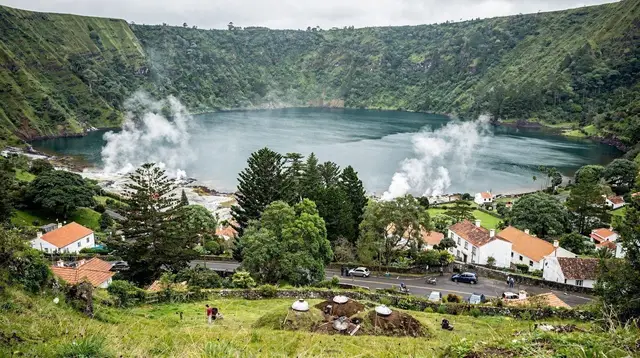
I’ll admit what I pictured before my first trip: pale sand, water the colour of glass, and a sea warm enough to float in for hours without thinking about it. I’d seen the volcanic craters and the green hills in photos of São Miguel, and somewhere in my head I’d quietly filed the coastline under “tropical,” the way a lot of people do when an island sits this far from anywhere cold. It took about half a day on the ground to understand how wrong that filing was, and I’m glad it did, because the real coastline turned out to be more interesting than the one I’d invented.
Black Sand Is the Point, Not the Compromise
The first beach I walked onto was dark grey, almost black, and hot underfoot in a way white sand never is. That’s basalt, ground down by the same Atlantic that keeps grinding it, and it’s not a defect in an otherwise tropical postcard — it’s what a young volcanic island’s beaches actually look like. Mosteiros, on the west coast, is the clearest version of this: black sand, sea stacks standing offshore like broken teeth, and a light that turns almost bronze at sunset. Once I stopped comparing it to somewhere with coral reefs, I started noticing how good it actually is — for photos, for a windswept walk, for snorkelling around the stacks when the sea allows it.
The Sea Runs 17 to 24°C, and June Still Feels Cold
Water temperature was the second reset. In late summer the sea gets to a genuinely pleasant 22-24°C; in winter it sits closer to 17°C, which is cold enough that most people reach for a wetsuit. Even the warm months here run cooler than a Caribbean or Mediterranean summer sea, and I underestimated that on my first swim, in what I thought was peak season. If you’re building a trip around swimming, it’s worth checking the surf season and sea temperature before you pack, and if diving is on your list, the water temperature by month matters just as much as visibility.
Swell Decides, Not the Weather App
This was the lesson that actually changed how I planned each day. On a mainland beach holiday, a sunny forecast usually means a swimmable sea. On São Miguel, sunshine and swimmability are two separate questions, and the second one is answered by the ocean, not the sky.
Ponta da Ferraria, where a hot spring meets the sea at the foot of a lava flow, is the sharpest example: it’s only usable around low tide, and in any real swell it becomes genuinely dangerous rather than merely unpleasant. I learned to check tide times before heading over, and to accept that the island’s weather can change from one valley to the next without warning either of us in advance.
Where the Sea Actually Works in Your Favour
None of this means the water is off-limits — it means you learn where it behaves. The sunken crater islet off Vila Franca do Campo, the Ilhéu de Vila Franca, is a genuinely sheltered swimming spot in season, reached by a short boat from the marina, and snorkelling inside the crater was one of the best hours I spent in the water anywhere on the island.
Caloura, the small south-coast harbour, is another calm pocket, and its snorkelling spot rewards exactly the low-key approach I’d stopped expecting by then: no lifeguard tower, no sun loungers, just a quiet inlet and clear enough water to see the bottom.
What I’d Tell Someone Packing for the First Time
Bring a wetsuit top if you’re a warm-water swimmer, don’t plan a swimming-only day without a backup, and let the coastline be the attraction rather than the obstacle. Some of my best afternoons had nothing to do with swimming at all.
I ended up booking a full day with a guided west-coast circuit that swings past Mosteiros and Ponta da Ferraria, and on a different day joined a jeep tour that circles the island’s coastline and craters instead of trying to chase good sea conditions on my own schedule. If you’d rather set your own pace, a private 4x4 tour lets you follow the swell forecast, not a bus timetable.
For the water days themselves, the island’s beaches and natural pools hub and a sea-focused itinerary are more useful starting points than any single beach guide, and it’s worth reading how boat trips get cancelled for sea state, the same way whale-watching trips do. None of this is a downgrade from a tropical trip — as I kept being reminded, São Miguel was never trying to be the rest of the Azores, let alone the Caribbean.
Questions I Get About Swimming on São Miguel
Is the water on São Miguel warm enough to swim in?
It depends on the season and your tolerance. Summer sea temperatures reach 22-24°C, comfortable for most swimmers; winter drops to around 17°C, which feels cold without a wetsuit. Either way, it is Atlantic water, not Caribbean water.
Why are the beaches on São Miguel black?
The sand is ground volcanic basalt, not coral. The island itself is a chain of volcanoes, so every beach and every sea stack is built from the same dark rock, which also absorbs heat and can get hot underfoot in full summer sun.
Are there any white-sand beaches on São Miguel?
No. White coral sand does not exist here; it belongs to reef systems the Azores does not have. What São Miguel offers instead are black volcanic beaches, sunken-crater swimming spots, and thermal pools, which are a different kind of coastline, not a lesser one.
What decides whether I can swim or take a boat trip on a given day?
Swell, more than sunshine. A clear, warm day can still have a heavy Atlantic swell that closes a swimming spot or cancels a boat tour, while a cloudier day with calmer seas can be perfectly safe. Local operators check sea state, not the weather app.
Is São Miguel worth visiting if I wanted a tropical beach holiday?
Only if you are willing to reset your expectations. As a volcanic North Atlantic island, São Miguel trades white sand and bath-warm water for dramatic coastline, crater lakes, thermal pools, and whale watching — a different, equally rewarding kind of trip.
Where can I actually swim in the sea on São Miguel?
The most reliable spots are sheltered ones: the sunken crater islet off Vila Franca do Campo, the small harbour at Caloura, and the black-sand coves near Mosteiros in calm conditions. All of them still depend on the day’s swell.
Tea & Pineapple Plantations on GetYourGuide
Verified deep-linked GetYourGuide tours. Book through these links and we earn a small commission at no cost to you.
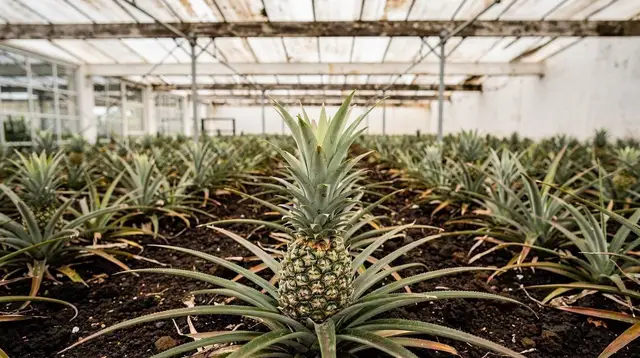
GetYourGuide does not provide a product photo for this activity — the image shows the meeting point, photographed by us.