Gorreana and Porto Formoso: São Miguel's Two Tea Gardens
What's the difference between Gorreana and Porto Formoso tea plantations?
Gorreana, founded in 1883, is the oldest working tea plantation in Europe, and entry to its factory and fields has long been free and self-guided. Porto Formoso, a few kilometres away, is smaller and charges for a visit. Both sit on São Miguel's north coast, not on any other Azorean island.
Two Tea Gardens, One North Coast
Europe grows almost no tea of its own. What it does grow is on São Miguel, on two plantations a few kilometres apart on the island’s north coast: Gorreana, founded in 1883 and still the oldest working tea plantation on the continent, and Porto Formoso, smaller, younger, and the only other one left. Between them they are effectively the whole story of European tea, and both sit inside a short loop from Ribeira Grande, the island’s second town.
The two are often mentioned in the same breath, and treated as interchangeable stops on a north coast day. They are not quite that. One is free and lets you wander in on your own schedule; the other is smaller, charges for entry, and runs a different kind of visit. Knowing which is which before you set off saves a wasted stop and, more usefully, tells you which one deserves the extra time.
Gorreana: the plantation that never stopped
Gorreana traces its tea-growing back to 1883, on land that has been under cultivation ever since — through decades when European tea consumption barely justified it, and through a 20th century that saw most of the Azores’ other plantations close. It survived, and today it is the reference point: the oldest working tea plantation in Europe, still family-run, still processing leaf on the same site.
What makes Gorreana unusual among working agricultural sites open to the public is how little ceremony surrounds a visit. There is no ticket booth, no timed entry, no guide assigning you to a group. Visitors walk the tea fields and the factory floor at their own pace, following a marked route past the withering troughs, rolling machines and drying ovens, most of them still the original equipment, still running during the picking season. Entry to both the fields and the factory has long been free, which is part of why Gorreana feels less like an attraction and more like a working farm that happens to let people in.
The fields themselves climb the slope above the coast in neat rows, green year-round, with the Atlantic visible below on a clear day — one of the more photographed views on this side of the island, and one that costs nothing to reach. A small shop at the end of the route sells Gorreana’s own black and green tea, along with the orange-pekoe blend that is the plantation’s best-known export; it is also the tea most commonly found in supermarkets and cafés across São Miguel, so a bag from the source is more souvenir than necessity, but a fresh one nonetheless.
Because there is no set tour time, Gorreana works equally well as a quick twenty-minute stop or a slower hour spent reading the small explanatory panels along the factory floor. It rewards arriving during a weekday morning when the machines are actually running over the harvest weeks, rather than a quiet afternoon when the fields are pretty but the factory is idle.
Porto Formoso: smaller, and not free
A short drive further along the coast sits Porto Formoso, the only other working tea plantation left in Europe and, by any measure, the junior of the two. Its fields are smaller, its production lower, and its public profile far quieter — most visitors to São Miguel have heard of Gorreana; fewer know Porto Formoso exists at all.
The clearest practical difference is the one that trips people up: a visit to Porto Formoso is not free. Where Gorreana’s self-guided route costs nothing, Porto Formoso charges for entry, reflecting a smaller, more curated operation rather than an open farm walk. This guide will not put a figure on that charge, since prices at small, independently run sites change without much notice — check current entry costs directly with Porto Formoso before visiting rather than relying on a number printed anywhere online.
What the entry fee buys is generally a more contained experience: a smaller, more manageable plot to walk, and often more attention paid to explaining the process, since there is less ground to cover than at Gorreana’s larger estate. For visitors who want the fuller picture of how Azorean tea is grown and processed, rather than simply the photograph of the fields, Porto Formoso can be the more informative of the two stops, even though it draws far fewer visitors.
Gorreana vs Porto Formoso at a glance
| Gorreana | Porto Formoso | |
|---|---|---|
| Founded | 1883 | Later, smaller-scale |
| Status | Oldest working tea plantation in Europe | One of only two left in Europe |
| Entry | Free, self-guided | Paid — confirm current cost locally |
| Size | Larger estate and factory | Smaller fields |
| Typical visit | 20–60 minutes, no booking | Shorter, more curated |
| Shop | Own tea, widely sold across São Miguel | Own tea, sold mainly on site |
Neither plantation is on any other Azorean island — both sit on São Miguel’s north coast, within a short drive of each other and of Ribeira Grande. If a source places tea fields on Pico or São Jorge, it has confused the archipelago’s crops: Pico is known for its vineyards, not tea, and São Miguel’s Ilha Verde nickname belongs to the pastureland and hedgerow that surrounds both plantations, not to the Caribbean-style scenery some visitors expect.
What an actual visit looks like
At Gorreana, arrive, park, and walk in — there is no gate to check in at and nothing to book ahead. The route through the fields loops back to the factory building, where the machinery is visible from a walkway rather than behind glass, and the smell of drying leaf is often the first sign you have reached it before the equipment comes into view. Weekday mornings during the main picking months tend to have the most activity to see; on a quiet afternoon the fields are still worth the stop, but the factory floor may be still.
At Porto Formoso, the visit is more structured around the smaller plot and the paid entry, so it suits travellers who want the process explained rather than to wander unguided. It is a shorter stop by nature — most visitors spend less time here than at Gorreana simply because there is less ground to cover — but for anyone comparing the two working plantations side by side, seeing both on the same drive is the only way to properly judge the difference.
Both plantations sell their own tea, and both are a reasonable stop regardless of the weather: the fields are outdoors, but the factory floors at each give shelter if a north coast shower rolls through, which on this side of the island it often does.
Getting there and what to combine it with
Gorreana and Porto Formoso sit on the coastal road east of Ribeira Grande, close enough to each other that seeing both takes a short detour rather than a separate trip. A rental car is the practical way to reach either — there is no shortage of parking at Gorreana, and Porto Formoso’s smaller site is easy to miss from the road if you are not watching for the turn.
The wider north coast makes a natural day around the two plantations: Ribeira Grande itself for its old streets and the Caldeira Velha thermal waterfall on the way up the Água de Pau slope, the surf beach at Santa Bárbara, and further along the coast the fishing town of Rabo de Peixe and the old whaling station at Capelas.
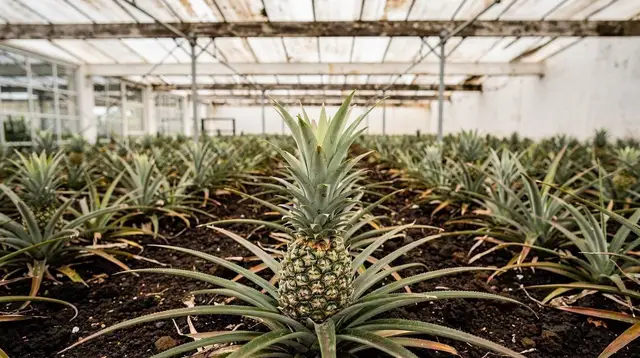
Travellers building a longer itinerary around Azorean food and farming often add São Miguel’s other unusual crop to the same day: pineapples grown in glasshouses rather than open fields, covered in a separate guide to the pineapple greenhouses at Fajã de Baixo.
A guided north coast tour is a way to cover the ground without driving it yourself, and several operators fold the tea plantations into a wider look at the coast’s food and traditions. A north coast tour built around local flavours and traditions is the closest fit if the plantations are the main draw.
For a route that swings further west along the same shoreline, a day expedition through Rabo de Peixe, Mosteiros and Capelas passes close to both estates. Travellers wanting to turn the visit into more of an occasion sometimes add a picnic and brunch set up with photos included among the island’s green landscapes — the tea fields themselves are as photogenic a backdrop as São Miguel offers.
When to go
Both plantations are open year-round, since tea processing and the factory equipment are indoor attractions as much as the fields are outdoor ones. Picking season brings the most visible activity — machines running, leaf moving through the factory — while the quieter months still offer the fields and the shop, just with less to watch on the production side. Because São Miguel’s weather changes hour to hour, a wet morning on the north coast is not a reason to skip either plantation; the factory buildings offer shelter, and the fields tend to look their best, greenest self right after rain.
Neither site suits being rushed at the end of a long day. Gorreana in particular rewards a visit when there is still enough daylight and energy left to walk the full loop rather than a quick dash through the shop, and Porto Formoso’s paid, more curated visit is easiest to appreciate without the pressure of a ferry, flight or restaurant booking looming afterwards.
Gorreana and Porto Formoso: frequently asked questions
Is Gorreana really the oldest tea plantation in Europe?
Yes. Gorreana was founded in 1883 on São Miguel’s north coast and has produced tea continuously since, making it the oldest working tea plantation on the continent.
Do you have to pay to visit Gorreana?
No. Walking the fields and the factory floor at Gorreana has long been free and self-guided, with no ticket booth and no fixed tour times to work around.
Is Porto Formoso free too?
No. Porto Formoso is the smaller of the two plantations and charges for a visit, unlike Gorreana. Check current entry costs directly with Porto Formoso, since this guide does not quote a figure that could go stale.
Are Gorreana and Porto Formoso on the same island?
Yes, both are on São Miguel’s north coast, a short drive apart near Ribeira Grande. Neither is on Terceira, Pico or any other Azorean island.
Can I visit both plantations in one day?
Yes. They sit only a few kilometres apart on the same stretch of coast, so most visitors see both alongside other north coast stops in a single day.
Do I need to book ahead for Gorreana?
No booking is needed to walk Gorreana’s fields or factory floor, since the visit is self-guided and free during opening hours.
Is there anywhere to buy tea at either plantation?
Yes, both plantations sell their own tea on site, and Gorreana’s is also widely stocked in shops across São Miguel.
What should I combine a tea plantation visit with?
Most visitors pair Gorreana and Porto Formoso with other north coast stops around Ribeira Grande, Capelas or Rabo de Peixe, since they sit on the same drive. A wider look at the two crops together is covered in the tea versus pineapple comparison, and the tea and pineapple as local ingredients guide sets both in the context of what actually ends up on São Miguel’s tables. For a look specifically at Gorreana’s own visit in more depth, see the dedicated Gorreana guide; Porto Formoso has its own separate guide too.
Background on why the island grows tea and pineapples at all — rather than the grapes or olives more common at this latitude — sits in the broader north coast day trip planning, and the category page for tea and pineapple plantations lists every related stop in one place, alongside the general food and gastronomy hub and the things to do around Ribeira Grande.
Two short background reads worth the two minutes: why Gorreana is Europe’s oldest working plantation, and, on the island’s other unlikely crop, why an Azorean pineapple takes two years to grow.
Tea & Pineapple Plantations on GetYourGuide
Verified deep-linked GetYourGuide tours. Book through these links and we earn a small commission at no cost to you.
GetYourGuide does not provide a product photo for this activity — the image shows the meeting point, photographed by us.